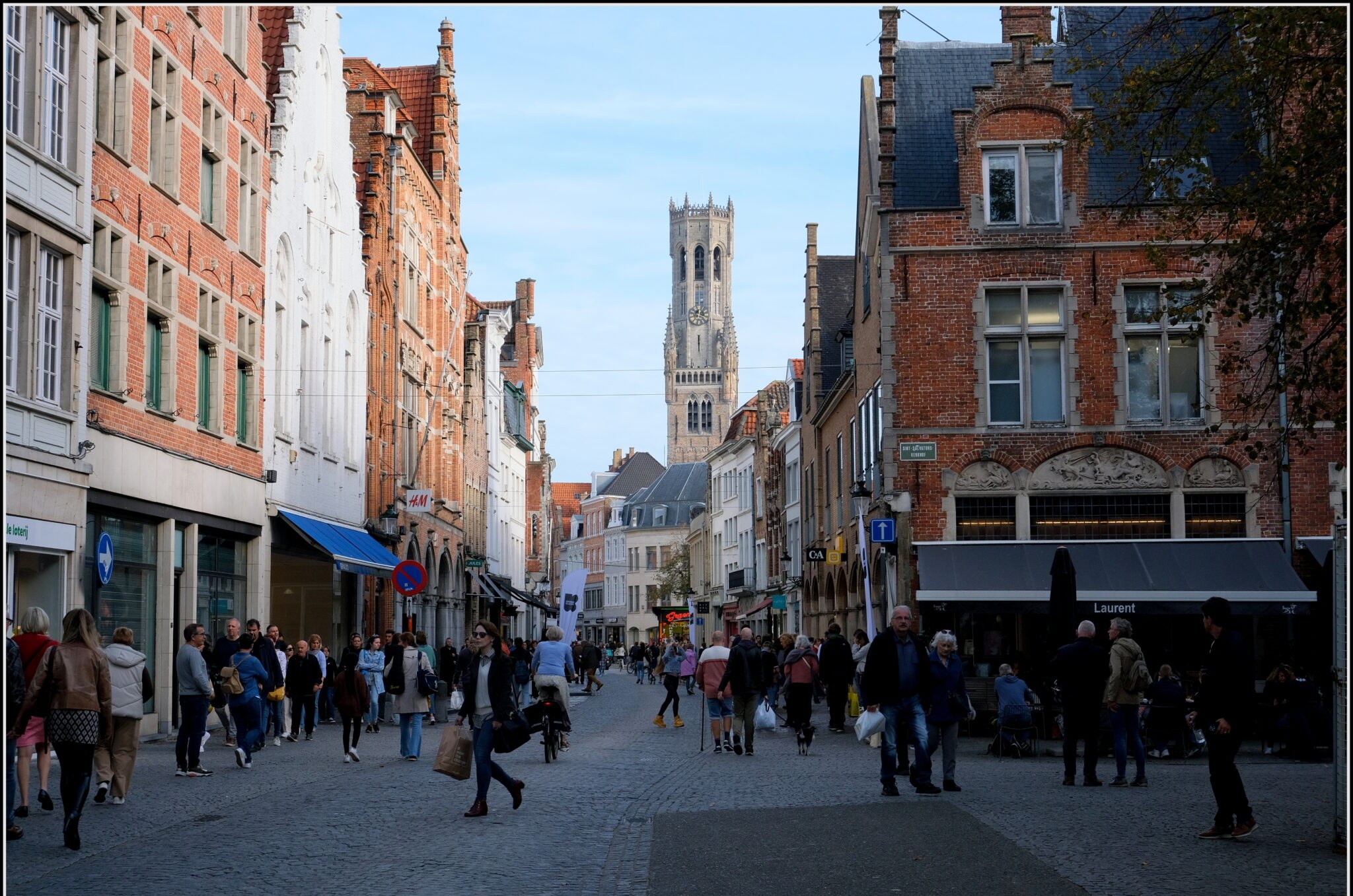
What is a commercial lease? This question often arises for entrepreneurs who want to rent premises for their business, or for owners who want to let premises for commercial purposes. A commercial lease is a special form of lease that applies only to premises in which a shop or commercial activity is carried on.
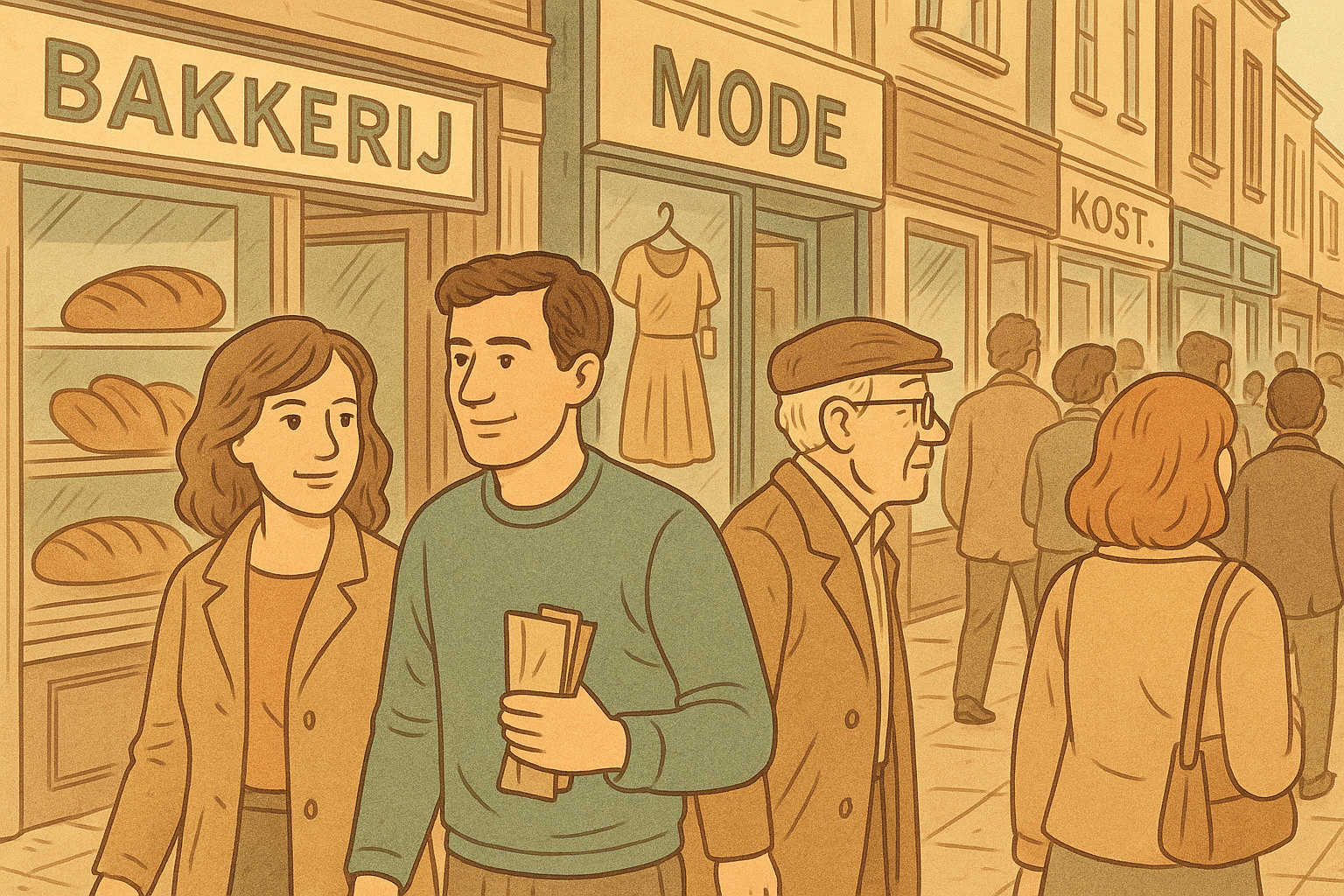
Examples include a bakery, clothing shop, hairdresser, hospitality business or bookshop. It concerns spaces to which customers have physical access. Office space without direct customer contact is not covered.
The Commercial Lease Act mainly protects the tenant. That makes sense: a trader must be given time to build up a customer base and cannot simply move without major consequences. But landlords too benefit from clear rules and certainty.
In this article you will discover, among other things:
- what exactly a commercial lease is,
- what the key features of a commercial lease are,
- some of the advantages,
- and some of the disadvantages.
What exactly is a commercial lease?
A commercial lease is an agreement in which the landlord lets premises for the purpose of the tenant operating a business in them. Think of shops, hospitality businesses or service providers receiving customers.
Important: commercial lease law applies only if the premises mainly serve a commercial activity with direct contact with the public. A law firm or IT office without a customer desk therefore usually does not fall under commercial lease law.
Key features of a commercial lease
- Minimum term of 9 years
By law, a commercial lease runs for at least 9 years.
- For tenants: this provides stability to attract customers and recoup investments.
- For landlords: you know that your premises will remain let for a long time.
A shorter contract is not valid, although interim termination options can be agreed.
- Right to carry out alterations
The tenant may carry out certain alterations to fit out their business.
Examples: installing a new counter, adding extra lighting or placing a partition wall.
Important: the works must be reasonable and must not harm the value of the premises. For major structural works, the landlord’s consent remains necessary.
- Transfer or subletting
A commercial tenant may transfer or sublet their lease together with the business. This right continues to apply even if the contract says otherwise.
Example: a baker who sells their business may also transfer the lease rights to the new owner.
- Protection upon sale of the premises
If the landlord decides to sell the commercial premises, the lease remains in force. The new owner therefore cannot simply evict the tenant.
- Right to lease renewal
The tenant can request a renewal up to three times, each time for 9 years. This means a commercial lease can in theory last up to 36 years.
The landlord can refuse a renewal, but only in specific cases, for example because they want to use the premises themselves. In some cases the tenant is entitled to eviction compensation.
Advantages of a commercial lease
There are various advantages for tenants and landlords in working with a commercial lease.
Some advantages for tenants are:
- Long-term certainty (at least 9 years): each lease term lasts at least 9 years, with the possibility of renewing three times. A tenant can thus stay in the same premises for up to 36 years.
- Right to transfer or sublet: the tenant may transfer or sublet the commercial lease together with the business, even if the contract prohibits this.
- Protection against sudden termination: the Commercial Lease Act prevents the landlord from ending the lease early or unexpectedly, except in exceptional cases.
Some advantages for landlords are:
- Guarantee of long-term letting (at least 9 years): the landlord has the certainty that the premises will remain let for a long period.
- Preservation of the premises’ value: because the tenant invests in fitting out and alterations, the premises remain well maintained and attractive, which supports their value.
- Right to personal use: the landlord can use the premises for a commercial activity themselves or have certain family members use them, or refuse a renewal in order to give the premises another purpose, such as renovation or demolition.
Disadvantages of a commercial lease
Nevertheless, a commercial lease also has some downsides. Both tenants and landlords must take account of restrictions and risks arising from the statutory scheme.
Some disadvantages for tenants are:
- Long duration (9 years minimum): the tenant is tied to one location for a long time. That can be restrictive if the business grows quickly or if the location disappoints.
- Limited freedom for alterations: the tenant may carry out works, but only within certain limits. Major works require the landlord’s consent.
- Higher costs on departure: if a lease renewal is refused or the tenant moves after 9 years, they may lose customers and have to invest again in new premises.
Some disadvantages for landlords are:
- Difficult to terminate early: the tenant is strongly protected, so the landlord cannot simply end the contract.
- Limited freedom regarding lease renewal: a tenant can apply for renewal up to three times. As a landlord you can only refuse this under strict conditions, often with the risk of eviction compensation.
- Risk upon transfer: the tenant may transfer the lease together with the business. As a landlord you have little influence over who the new tenant will be, which can entail risks.
Frequently asked questions (FAQ)
An ordinary lease, such as a residential lease, is intended for private occupation and has shorter terms. A commercial lease is specifically for commercial activities and offers the tenant extra protection.
Yes. Restaurants, cafés and sandwich shops fall under commercial lease law because they receive customers on the premises.
Any questions left?
Unsure whether the Commercial Lease Act applies to your situation? Or do you have another related question? Schedule your consultation!